Yes. A learning disability or autism does not stop a hernia repair. Small changes to the hospital day make the visit calmer and safer.
A family member or carer can often stay with the person until they fall asleep, and be close by when they wake up.
People who cannot easily describe pain may show it through behaviour instead. Carers know these signs well, so the team asks them.
You care for an adult with a learning disability or autism, and a doctor has found a hernia.
The repair itself is the same as for anyone else. What changes is how the person is prepared and looked after.
Why hernias are found late
Some people cannot easily say where it hurts. A hernia may only be noticed when a carer sees a bulge while helping with bathing or dressing.
Watch for a lump in the groin or near the belly button. Also watch for new restlessness, rubbing at one spot, or refusing food.
A hard, painful lump with vomiting needs the emergency department the same day.
Explaining and agreeing to the operation
The surgeon explains the operation in simple words, with pictures if that helps. More time is given at the visit.
Many people can take part in the decision. If the person cannot decide alone, the family and doctors decide together in their interest, following the rules on consent.
Bring anything that helps communication, such as a picture board or a phone app.
Planning the hospital day
Tell the team what upsets the person and what calms them. Noise, waiting, bright lights or being touched can all matter.
A short wait, a quiet corner and a familiar person can make a big difference. Some people are given a calming medicine before going to the theatre.
Any blood tests can often be done after the person is asleep.
Small changes that help on the day
Change
Why it helps
Who arranges it
A visit or photos of the hospital first
The place feels familiar
Family and clinic team
Early slot and a short wait
Less time hungry and unsettled
Surgeon
Carer there until asleep and on waking
A known face lowers fear
Ward and theatre team
Blood tests taken under the anaesthetic
Fewer needles while awake
Anaesthetist
Home the same day if safe
Recovery in familiar surroundings
Surgeon and family
Caring for someone with a hernia and a learning disability or autism? Bring their medicine list and tell us what helps them stay calm.
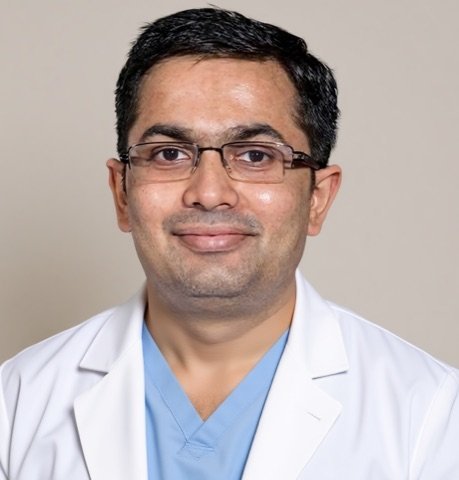
Dr Harsh Shah, MS, MCh (Surgical Gastroenterology), DrNB (Surgical Gastroenterology) Dr. Jivraj Mehta Hospital, Vasna, Ahmedabad Bring your reports. Second opinions are welcome.